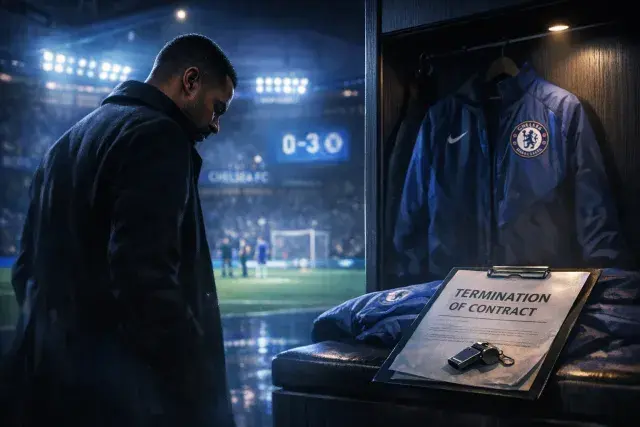
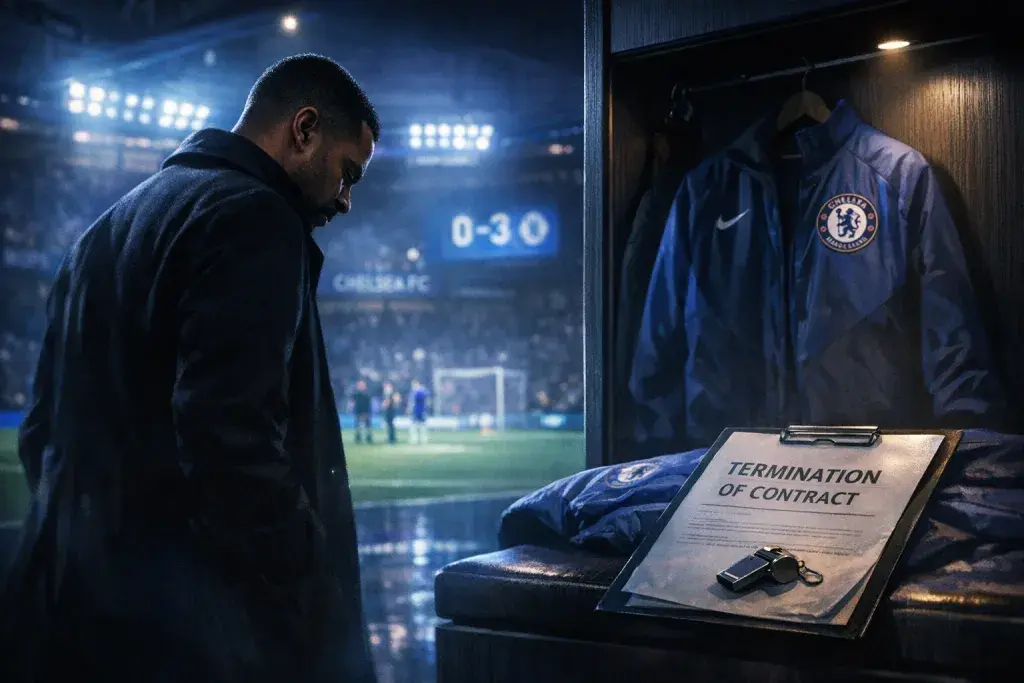
Chelsea Football Club has dismissed Liam Rosenior as head coach less than four months after his appointment. The 41-year-old Englishman oversaw a historically poor sequence of performances, including a 3-0 defeat at Brighton that marked five straight Premier League losses without scoring. This decision leaves the club scrambling for stability with key fixtures ahead, highlighting the intense pressures within elite football management.
A Record of Decline Under New Leadership
Rosenior stepped in midway through the season as a replacement for Enzo Maresca, who had also been removed earlier. Since January, Chelsea endured their longest Premier League losing streak since November 1993, failing to score in five consecutive matches for the first time in 114 years. Their last victory and goals came on March 4 against Aston Villa, after which they dropped to seventh in the standings, seven points from Champions League qualification and facing diminished European prospects.
Club Statement Reveals High Expectations
In a Wednesday statement, Chelsea expressed gratitude for Rosenior's integrity and professionalism but cited recent results and performances as falling below required standards. The club emphasized that the move was not taken lightly, especially with much of the season remaining. First-team coach Calum McFarlane, who previously served as interim head coach, has returned to the role until the campaign ends, providing short-term continuity ahead of Sunday's FA Cup semi-final against Leeds.
Post-Match Frustration and Leadership Pressures
The Brighton loss exposed deeper issues, with Rosenior publicly calling the display "unacceptable" and "indefensible." This passive showing amplified concerns over the squad's form, pushing Chelsea to 13th in the Premier League form table. Such rapid turnover underscores the precarious nature of top-level positions, where sustained results are paramount amid ownership demands for competitiveness.
Potential Paths Forward Amid Speculation
Reports from France indicate Chelsea has contacted Bournemouth's outgoing manager Andoni Iraola, whose contract expires at season's end. As the club commits to self-reflection for a long-term appointment, the interim setup tests resilience in upcoming matches. This episode reflects broader patterns in football, where managerial changes aim to halt declines but risk further instability without addressing underlying squad dynamics.